When it comes to safety in public spaces, the installation of ADA detectable warning panels is key. These panels help guide those with visual impairments. The two main methods for installation are cast in place and surface applied. In this article, I’ll share what I’ve learned about these methods and how to get them right.
Understanding ADA Detectable Warning Panels
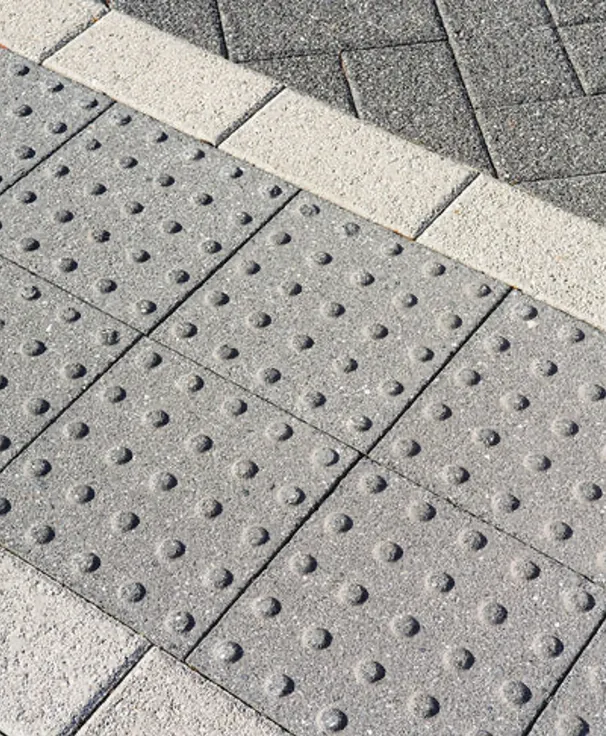
ADA stands for the Americans with Disabilities Act. Detectable warning panels are textured pads that alert visually impaired individuals of hazards. Think of them as the tactile equivalent of a stop sign. Their installation is not just a recommendation; it’s a requirement in many places.
Why Install These Panels?
There are a few reasons why these panels are important:
- They improve safety for visually impaired individuals.
- They help comply with legal standards.
- They can enhance accessibility in public spaces.
Installation Methods: Cast In Place vs. Surface Applied
Choosing between cast in place and surface applied methods can feel overwhelming. But let’s break it down. Both methods have their pros and cons.
Cast In Place Installation
This method involves pouring concrete and embedding the panels while the concrete is still wet. I remember the first time I watched a crew do this. The sound of concrete pouring was like music to my ears. They carefully placed the panels, ensuring they were aligned perfectly.
Here’s how to do it:
- Prepare the site and ensure it’s clean.
- Set up forms to hold the concrete.
- Pour the concrete, then place the panels.
- Finish the surface and allow it to cure.
Surface Applied Installation
This method is often quicker and easier. It involves placing the panels on an existing surface. I once helped a friend install these panels at a local park. It was amazing how quickly we transformed the space. The panels just adhered right to the concrete!
Steps include:
- Clean the surface where the panels will go.
- Apply adhesive as per the manufacturer’s instructions.
- Press the panels into place and secure them.
- Allow the adhesive to cure before allowing foot traffic.
Choosing the Right Panels
When selecting panels, consider factors like durability and visibility. Some panels are made with materials that can withstand harsh weather. Others come in various colors for better visibility. I found this truncated dome tiles to be an excellent choice for many applications.
Final Thoughts on Installation
Installing ADA detectable warning panels is a vital task. It ensures safety and compliance. Whether you choose cast in place or surface applied, make sure to follow the steps closely. Your efforts will make a significant difference in accessibility for all.